When most people think of forests, they picture endless stretches of trees. But forests are far more than that. They are living networks that support entire ecosystems, providing food, water, and shelter for species both big and small. In Kenya, forests are home to elephants that migrate across landscapes, birds that traverse continents, and countless plant species that sustain life. At Guardians of Nature & People (GNP), we understand that conserving forests is not only about restoring tree cover but also about protecting the extraordinary biodiversity that thrives within them.
Forests as Lifelines for Species
Kenya’s forests, from coastal mangroves to inland highlands, are biodiversity hotspots. They provide nesting grounds, feeding areas, and migration corridors for some of the world’s most remarkable species. In Dakatcha Woodland, for example, lies one of the last refuges of Clarke’s Weaver, a bright yellow bird found nowhere else on Earth. This bird depends entirely on the survival of this forest. Similarly, Witu and Dakatcha serve as vital corridors for elephants moving between habitats, while the Mau Forest Complex supports a dazzling array of birdlife, amphibians, and mammals that sustain Kenya’s ecological balance.
Yet, the very ecosystems that sustain this biodiversity are under constant threat. Logging, agricultural expansion, land-use changes, and climate change have degraded habitats, pushing many species closer to extinction. Clarke’s Weaver, once abundant in Dakatcha, now faces an uncertain future due to habitat destruction and fragmentation. Large mammals such as elephants are forced into conflict with humans when their natural corridors are disrupted. Biodiversity loss is not only an environmental tragedy—it undermines food security, water systems, and cultural traditions tied to nature.
The survival of species like Clarke’s Weaver or the protection of elephant corridors may seem like a local issue, but the reality is that biodiversity underpins human survival. Healthy ecosystems regulate water cycles, stabilize soils, and pollinate crops. They also build resilience against climate change, ensuring that both people and nature can adapt to future challenges. Biodiversity loss weakens these natural systems, putting our shared future at risk.
How GNP Protects Biodiversity
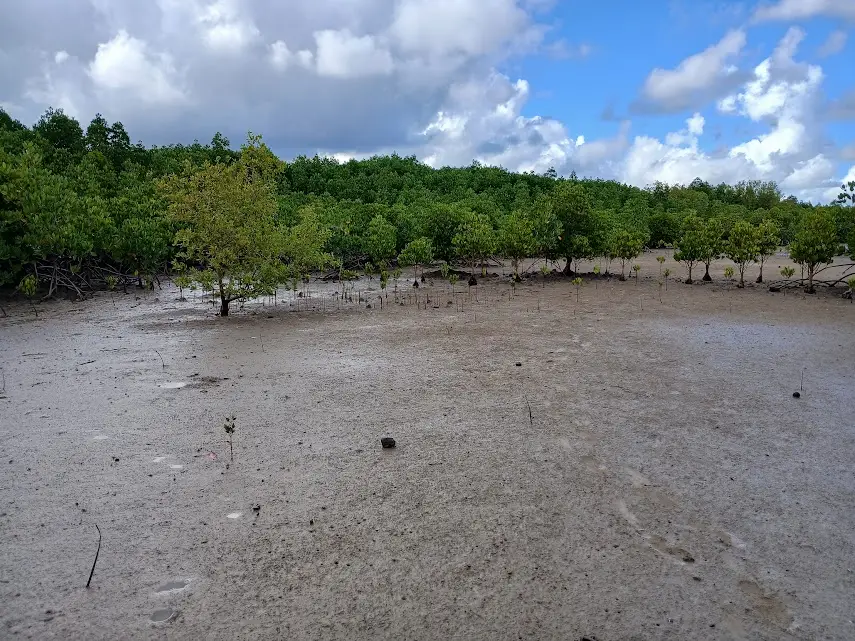
Guardians of Nature & People is working to halt biodiversity loss by combining ecological restoration with community action. We shall engage local residents in habitat monitoring, species surveys, and reforestation programs to ensure that conservation is community-led and locally owned. Our restoration activities in Dakatcha, Witu, and the Mau Forest focus on planting indigenous trees that provide food and shelter for wildlife. At the coast, mangrove restoration supports marine biodiversity, creating nurseries for fish and crabs that sustain both ecosystems and livelihoods.
Conservation cannot succeed without the active participation of local communities. By empowering communities with knowledge and economic opportunities, we ensure that conservation is not seen as a burden but as a shared benefit.
A Call to Protect More Than Trees
Protecting biodiversity means protecting life itself. Every tree planted, every corridor secured, and every species safeguarded brings us closer to a balanced and resilient planet. At Guardians of Nature & People, we are committed to ensuring that Kenya’s forests remain vibrant ecosystems where wildlife can flourish and people can thrive. By working together, we can protect more than just trees—we can protect the living web of life that sustains us all.